Key Takeaways
- Woodland burials offer a 30-50% cost saving over traditional funerals.
- Natural burials sequester carbon rather than emitting it.
- Planning must be swift (3-7 days) due to the absence of embalming chemicals.
In 2025, the way we think about our final footprint is shifting. A woodland burial—also frequently called a forest burial or green burial—represents a return to the earth in its most literal sense. Moving away from the manicured lawns and concrete vaults of the 20th century, families are increasingly choosing the serenity of a natural ecosystem. This guide explores why over 60% of modern consumers are now looking toward eco-friendly end-of-life options and what you can expect when choosing a path that breathes life back into the forest.
What is a Woodland Burial?
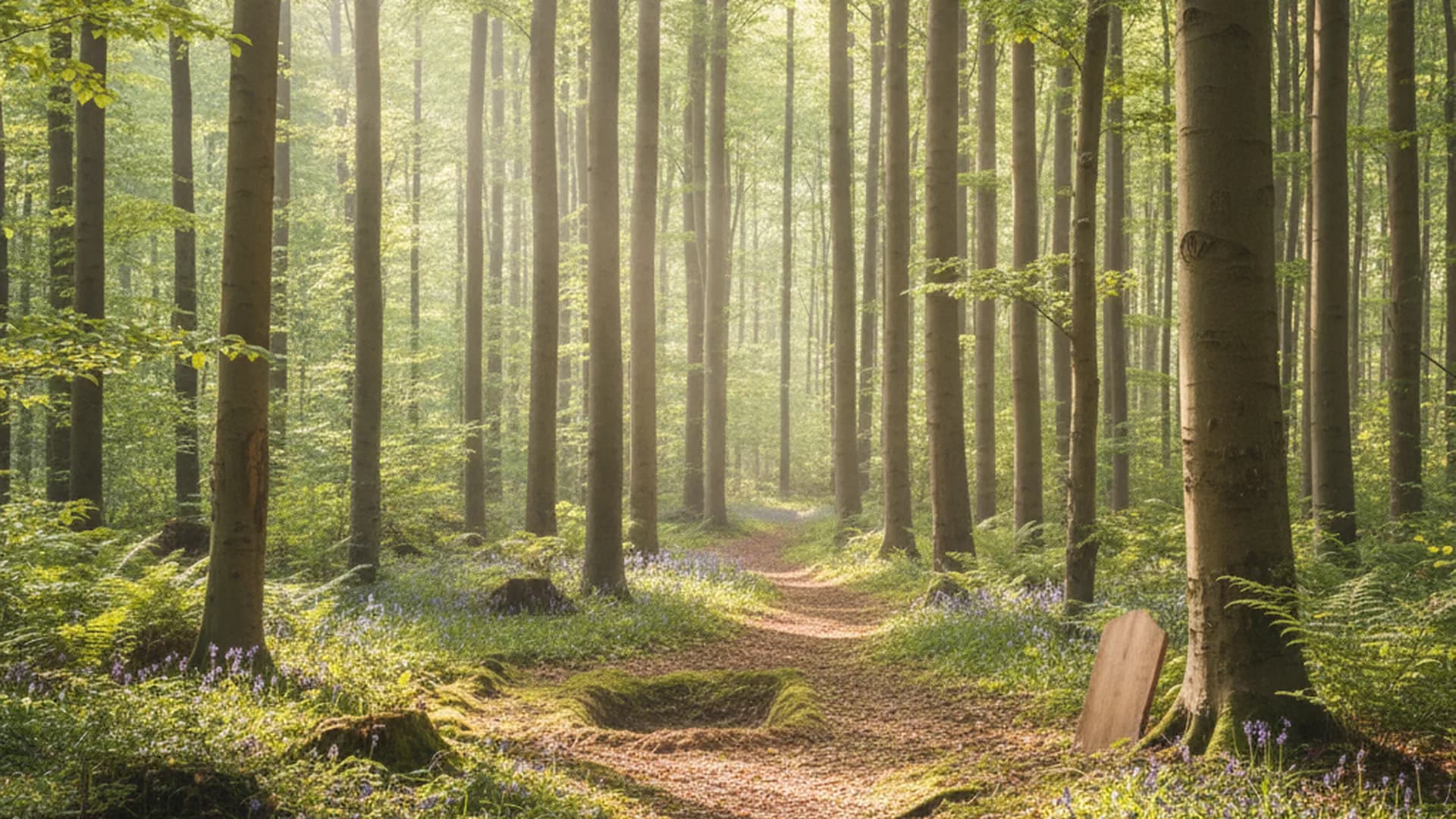
A woodland burial is an environmentally sustainable alternative to traditional funeral practices. Unlike conventional methods that rely on chemical preservation and non-biodegradable materials, a woodland burial ensures that the body returns to the earth naturally. In these protected natural areas, the focus is on conservation and the restoration of local flora and fauna.
The environmental contrast is staggering. While a traditional burial emits approximately 250 lbs of carbon into the atmosphere, a natural woodland burial can actually sequester about 25 lbs of carbon over its lifecycle. By removing the need for 4.3 million gallons of formaldehyde-based embalming fluid used annually in the US alone, these sites become sanctuaries for life rather than repositories for chemicals.
Modern Options and Trends for 2025–2026
The "green" funeral market has evolved rapidly. It is no longer just about a simple hole in the ground; it is about innovative technology and biology working together.
Tree Burial Pods
One of the most significant trends moving into 2026 is the commercial availability of "Capsula Mundi" style burial pods. These are biodegradable, egg-shaped containers. For those choosing cremation, the ashes are placed in a small pod; for burials, the body is placed in a larger pod in a fetal position. A tree is then planted directly above it, using the nutrients from the decomposition process to fuel the tree's growth.
Mushroom Coffins (Mycelium)
Made from the root structure of fungi, mushroom coffins have gained massive traction in 2025. These "living coffins" do more than just biodegrade; they actively neutralize toxins in the human body and the surrounding soil, accelerating the return of nutrients to the forest floor.
Human Composting (Recomposition)
While technically a separate process known as Natural Organic Reduction (NOR), many woodland burial sites now offer this as a service. The body is transformed into soil over several weeks, which families can then use to plant a memorial tree or scatter within a protected forest.
The Financial Benefits of Going Green
Cost is a major factor driving the 8% market growth in this sector. When you choose a woodland burial, you eliminate several of the most expensive components of a funeral.
| Expense Item | Traditional Burial | Woodland Burial |
|---|---|---|
| Casket | $2,000 - $5,000+ | $200 - $800 |
| Vault/Liner | $1,500 - $3,000 | $0 (Prohibited) |
| Embalming | $700 - $1,200 | $0 (Prohibited) |
| Headstone | $1,000 - $3,000 | $0 - $200 |
By removing steel caskets and concrete vaults, families often see a total cost reduction of 30-50%. For more context on how these prices compare to industry averages, see our Average Funeral Cost Breakdown (Typical Costs and Cost Factors).
Planning the Timeline: What to Expect
Because woodland burials prohibit toxic preservatives, the timeline is more compressed than a traditional service.
1. Immediate Action (0-24 Hours)
The first step is securing a medical certificate of death. You must notify a "green" funeral director or the woodland site immediately. Because embalming is not an option, the body must be handled with care to ensure natural preservation.
2. Preparation (Days 1-3)
The body is kept in a climate-controlled environment or "naturally cooled" using dry ice or specialized refrigeration. During this time, the family selects biodegradable materials. This includes wicker, cardboard, or bamboo caskets, or perhaps a simple natural fiber shroud made of wool, cotton, or silk.
3. The Ceremony (Days 3-7)
The service typically takes place within a week. Expect a rustic, outdoor setting. There are no manicured lawns; instead, you will find wildflowers and uneven trails. The "hearse" might be an electric vehicle or even a hand-drawn cart. Families are often encouraged to participate, from lowering the shroud into the grave to helping backfill the soil.
4. Legacy (Months and Years)
The grave will naturally settle over the first year. In a woodland setting, the goal is for the site to eventually "disappear" into the forest floor. While you won't find a marble headstone, many sites use GPS coordinates or apps like What3Words to help loved ones find the exact location.
Common Mistakes to Avoid
- Waiting Too Long to Plan: Because there is no chemical preservation, you cannot wait two weeks to hold a service. Pre-planning is essential.
- Assuming it's "Unregulated": Woodland sites often have stricter rules than traditional cemeteries regarding what can be buried (e.g., no jewelry, no synthetic clothing).
- Dressing for a Cathedral: A common mistake is wearing high heels or formal dress shoes to a woodland site. The terrain is often muddy or rocky.
- Buying Non-Native Plants: Bringing your own flowers or seeds to plant can accidentally introduce invasive species that harm the local ecosystem.
Key point: Choosing a site certified by the Green Burial Council (GBC) or the Association of Natural Burial Grounds (ANBG) ensures that the land is protected by a conservation easement, meaning it can never be developed into a shopping mall or housing complex.
Frequently Asked Questions
Is a woodland burial legal?
Will animals dig up the body?
Can I have a religious service at a forest burial?
How do I find the grave without a headstone?
Can I be buried in a woodland if I've been cremated?
Conclusion
Choosing a woodland burial is a profound statement of values. It is a choice that prioritizes the health of the planet and the simplicity of nature over the industrial traditions of the last century. Whether you are drawn to the idea of becoming a tree or simply want to save your family from the mounting costs of a traditional funeral, the "forest burial" offers a peaceful, beautiful, and sustainable legacy.
As a funeral director, I have seen a clear shift: families are no longer looking for "closure" through expensive monuments; they are finding it through the rustle of leaves and the cycle of the seasons.
Key point: By choosing a woodland burial, you are contributing to the preservation of natural lands for future generations, ensuring that your last act is one of restoration.
Plan Your Legacy
Learn more about eco-friendly end-of-life planning and find a certified site near you.
Explore Green Burial Guide- 1.
- 2.
- 3.
- 4.
- 5.
Informational Purposes Only
This article is for informational purposes only and does not constitute legal, medical, or financial advice. Laws, costs, and requirements vary by location and individual circumstances. Always consult with qualified legal, medical, or financial professionals for advice specific to your situation.
Content reviewed by a licensed funeral director
Written by Julian Rivera
Licensed Funeral Director & Pre-Planning Specialist
Third-generation licensed funeral director (NFDA) with 15+ years in funeral service, specializing in pre-planning, cremation options, and consumer rights.