Key Takeaways
- Cremation is now the leading choice for final disposition in North America, projected to reach 63.4% in 2025.
- Modern options include traditional flame cremation and eco-friendly "Water Cremation" (Alkaline Hydrolysis).
- Families can still hold full funeral services, viewings, and memorial ceremonies when choosing cremation.
In recent decades, the landscape of end-of-life care isn't what it used to be. If you are asking, what is cremation, you are certainly not alone. Once considered an "alternative" choice, cremation has moved to the forefront of the funeral industry. As of 2025, it is the leading method of final disposition across North America and much of the Western world. This shift is driven by a desire for flexibility, lower costs, and increasingly, a commitment to environmental sustainability.
Understanding the cremation meaning goes beyond the simple reduction of a body to bone fragments; it involves navigating a range of emotional, legal, and environmental choices that define how we remember our loved ones in the modern age.
The Evolution of Cremation in 2025 and 2026
The funeral industry is currently experiencing a "green revolution." While traditional flame-based cremation remains the standard, the years 2025 and 2026 are seeing a surge in technological advancements. Families are no longer just asking "what is cremation," but rather "which type of cremation is right for my values?"
According to the National Funeral Directors Association (NFDA) 2025 Report, the U.S. cremation rate is projected to hit 63.4% this year. This is a staggering increase compared to decades past and is more than double the projected traditional burial rate of 31.6%. Looking further ahead, experts predict that by 2045, cremation will account for over 82% of all final dispositions.
Cremation Explained: The Step-by-Step Process
When we look at cremation explained from a technical perspective, it is the process of reducing the human body to its essential elements—specifically bone fragments—using high-heat combustion or chemical hydrolysis.
1. Preparation and Identification
The process begins with the identification of the deceased. Ethical providers use a Chain of Custody tracking system. This often involves a stainless steel ID tag that stays with the body from the moment it enters the crematory until the remains are placed in an urn.
2. The Cremation Chamber
The body is placed in a rigid, combustible container. While many people believe an expensive casket is required, this is a misconception. A simple reinforced cardboard box is sufficient. The chamber is then heated to temperatures ranging from 1,400 to 2,000 degrees Fahrenheit.
3. Processing the Remains
After approximately two to three hours, the remains are allowed to cool. At this stage, they are technically bone fragments, not the fine "ash" people often imagine. These fragments are then processed into a uniform, sand-like consistency.
For more details on the timeline of this process, you can read our guide on Average Cremation Time (Answers to Common Questions).
| Feature | Flame Cremation | Water Cremation (Alkaline Hydrolysis) |
|---|---|---|
| Temperature | 1,400°F - 2,000°F | 300°F |
| Duration | 2 - 3 Hours | 4 - 16 Hours |
| Energy Use | High | 90% Lower |
| Carbon Footprint | Moderate | Zero airborne emissions |
The Rise of Eco-Cremation: Alkaline Hydrolysis
Currently, Alkaline Hydrolysis, often called "Water Cremation" or "Aquamation," is going mainstream. This process uses a solution of 95% water and 5% alkali to accelerate the natural decomposition of the body.
Another emerging trend is Natural Organic Reduction (NOR), also known as human composting. This process transforms remains into nutrient-rich soil over several weeks, offering the ultimate "return to the earth" experience.
The Financial Side: Understanding the "Funeral Rule"
One reason for the popularity of cremation is affordability. However, many families still overpay because they don't understand their rights. Under the Federal Trade Commission’s (FTC) Funeral Rule, funeral homes are required to provide you with a General Price List (GPL).
You are not required to purchase a "package." You have the right to choose only the services you want. For many, this means opting for Direct Cremation, which involves transportation and the cremation process without a formal viewing or ceremony beforehand.
To learn more about this specific option, see our article on What Is Direct Cremation (Answers to Common Questions).
Common Mistakes to Avoid
When planning a cremation, several common pitfalls can lead to unnecessary stress or expense.
- Not Specifying "Direct Cremation": If you don't need a viewing or a chapel service, specifically ask for direct cremation. Many providers default to packages that include body preparation and facility fees you may not use.
- Assuming Cremation Replaces a Funeral: A common mistake is thinking that choosing cremation means you cannot have a service. Cremation is a method of disposition, not a service itself. You can still hold a "Celebration of Life" or a traditional religious ceremony.
- Wills vs. Letters of Instruction: Many people put their cremation wishes in their will. However, wills are often read days or weeks after the death. It is much better to provide a Letter of Instruction to your next of kin or funeral director.
- Misunderstanding the "Ashes": Families are often surprised that "cremains" are heavy and coarse. Knowing that they will weigh between 3 and 9 pounds helps when selecting an appropriate urn.
The main thing: Families who plan ahead and document their wishes often report a significantly lower level of stress during the immediate grieving period.
Cultural and Religious Perspectives
The question of "what is cremation" also carries different weights depending on religious beliefs.
- Christianity: Most denominations, including the Catholic Church, allow cremation, though the Catholic Church prefers the remains to be interred in a sacred place (like a cemetery) rather than scattered.
- Hinduism and Buddhism: These faiths have a long history of practicing and encouraging cremation as a way to release the soul from the physical body.
- Judaism and Islam: Traditionally, both faiths forbid cremation, emphasizing the sanctity of the body and natural burial. However, some Reform Jewish communities are becoming more open to the practice.
Frequently Asked Questions
Can you have a funeral if you choose cremation?
Is a casket required for cremation?
Are bodies cremated with their clothes and jewelry?
Is it legal to scatter ashes?
Is it possible to get the wrong ashes back?
Modern Memorialization Trends for 2026
As we look toward the future, families are finding creative ways to handle cremated remains.
- Solidified Remains: A company called Parting Stones has gained popularity for turning "ashes" into smooth, handheld stones that look like river rocks.
- Digital Urns: Some urns now come equipped with QR codes. When scanned, these codes lead to a digital memorial page featuring photos, videos, and stories of the deceased.
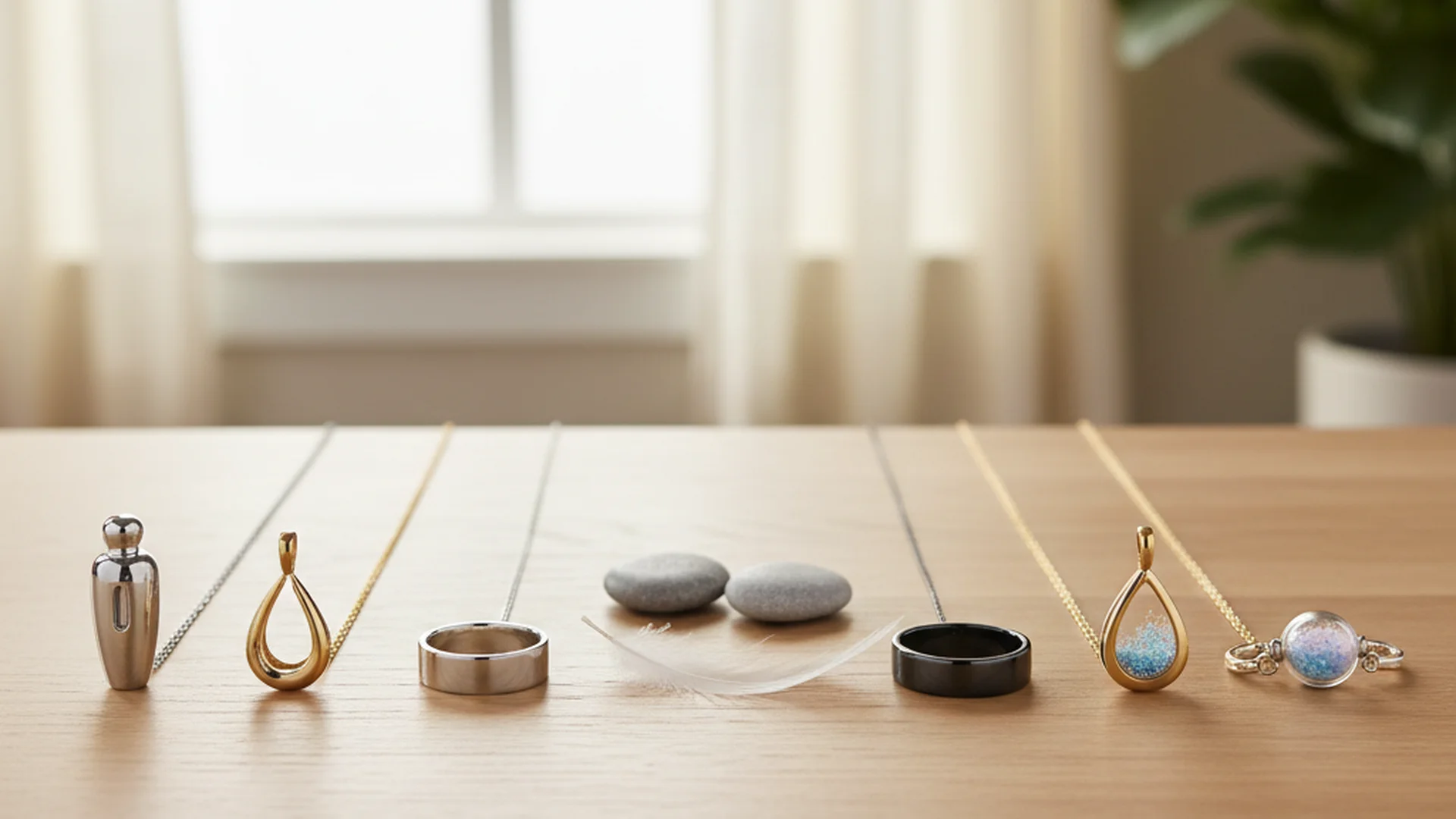
- Jewelry and Art: Remains can be incorporated into glass art, infused into vinyl records, or even turned into lab-grown diamonds.
If you are considering other options for the final resting place of these remains, you might also be interested in Above Ground Burial Options (Options and Timeline), which explains how urns can be placed in columbarium niches.
Conclusion
Cremation is no longer just a "simple" or "cheap" alternative. In 2025 and 2026, it represents a flexible, environmentally conscious, and highly personalizable way to say goodbye. Whether you choose a traditional flame-based process or the newer "water cremation," understanding the facts helps remove the mystery and fear often associated with this choice.
By focusing on the "Direct Cremation" option for cost-savings or looking into "Parting Stones" for a modern touch, families can tailor the experience to perfectly reflect the life of their loved one. Remember to document your wishes early and communicate them clearly to those who matter most.
- 1.
- 2.
- 3.
- 4.
- 5.
Informational Purposes Only
This article is for informational purposes only and does not constitute legal, medical, or financial advice. Laws, costs, and requirements vary by location and individual circumstances. Always consult with qualified legal, medical, or financial professionals for advice specific to your situation.
Content reviewed by a licensed funeral director
Written by Julian Rivera
Licensed Funeral Director & Pre-Planning Specialist
Third-generation licensed funeral director (NFDA) with 15+ years in funeral service, specializing in pre-planning, cremation options, and consumer rights.