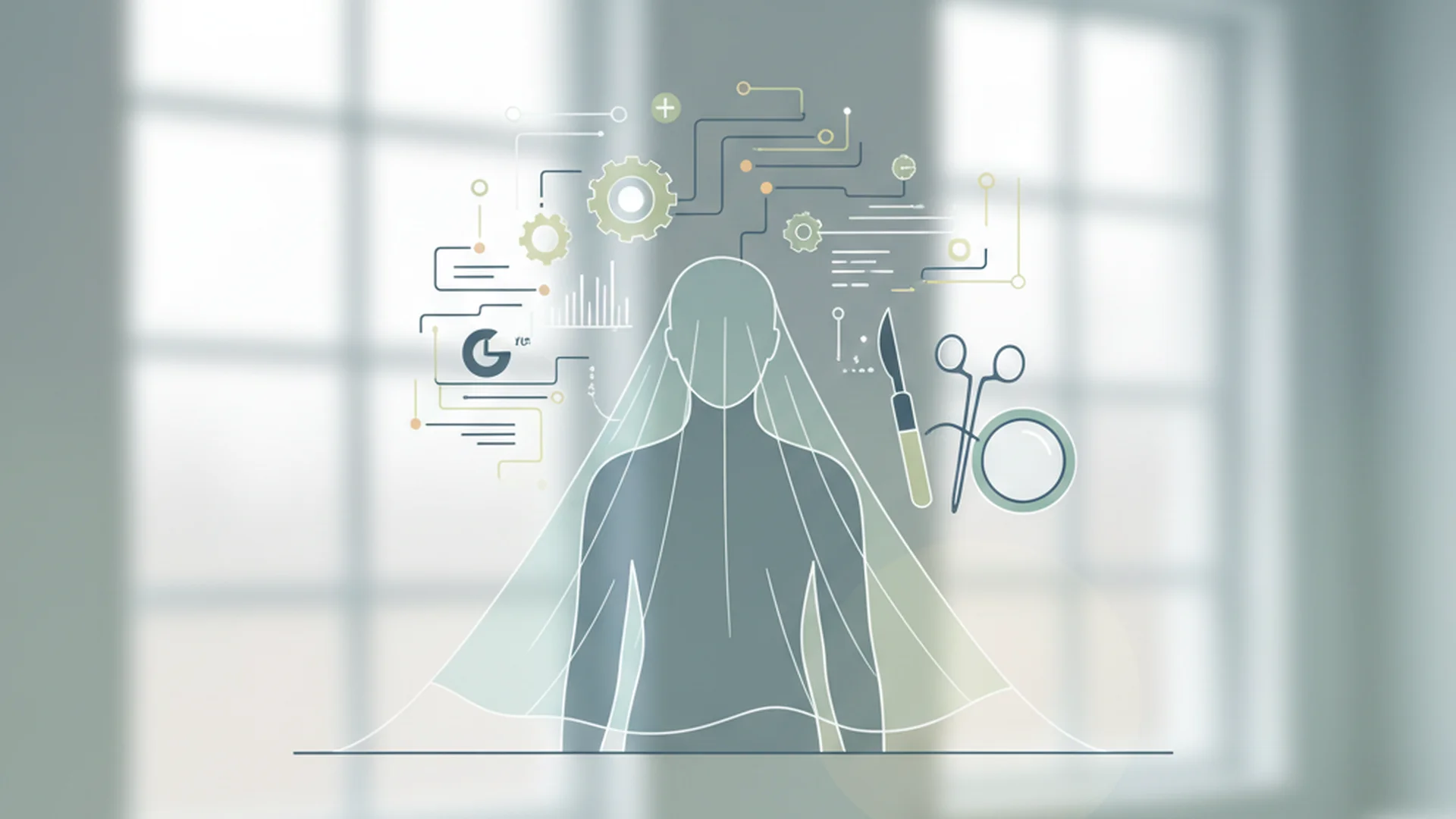
Key Takeaways
- Autopsies are highly regulated surgical procedures that typically take 2 to 4 hours.
- Modern technology like AI and Virtopsy are making examinations less invasive.
- An autopsy does not prevent an open-casket funeral or viewing.
The moments following the loss of a loved one are often filled with confusion, grief, and a desperate search for answers. When a death is sudden, unexplained, or occurs under specific legal circumstances, a post-mortem examination becomes a necessary step in the journey toward closure. Understanding what happens during autopsy can help demystify a process that many only know through the lens of dramatized television shows.
As a funeral director, I have worked with thousands of families navigating the intersection of medical science and final arrangements. While the thought of a surgical examination can be unsettling, it is important to view the autopsy as a final medical consultation—a way for the deceased to tell their story one last time. In 2025 and 2026, this field is evolving rapidly, blending traditional surgical techniques with cutting-edge artificial intelligence and digital imaging.
The Reality of Modern Post-Mortem Care
The landscape of post-mortem examination is shifting. In the United States, hospital-requested autopsy rates have reached a historic low of approximately 7.4%. Most examinations today are forensic, meaning they are legally mandated by a medical examiner or coroner to determine the cause and manner of death in suspicious or unexplained cases.
However, the "why" behind the autopsy is expanding. We are no longer just looking for physical trauma; we are looking at the very building blocks of life. For instance, in cases of "Sudden Arrhythmic Death Syndrome" (SADS), where no physical cause is found, molecular autopsies (genetic testing) can now identify a cause in up to 30–40% of cases. This information is vital for surviving family members who may carry the same genetic markers.
The Standard Autopsy Process: A Step-by-Step Guide
The autopsy process is a meticulous, respectful surgical procedure performed by a pathologist. It is designed to be thorough while maintaining the dignity of the deceased.
1. External Examination and Documentation
Before a single incision is made, the pathologist conducts a comprehensive external review. This is the foundation of the investigation.
- Documentation: Height, weight, age, and identifying marks like tattoos, scars, or birthmarks are recorded.
- Evidence Collection: In forensic cases, the pathologist collects hair samples, fingernail clippings, and any trace evidence found on the body.
- Injury Mapping: Any external wounds, bruises, or medical intervention marks (like IV sites) are photographed and measured.
2. The Y-Incision
The primary internal examination begins with the "Y-Incision." This is a large, deep incision made from each shoulder to the breastbone and then straight down to the pubic bone. This specific shape allows the pathologist full access to the thoracic and abdominal cavities while ensuring the incisions remain hidden by standard clothing during a funeral.
3. Organ Removal and Detailed Analysis
Once the cavities are open, each organ is removed individually or in "blocks" (a method known as the Rokitansky technique).
- Weighing: Every major organ—including the heart, lungs, liver, kidneys, and spleen—is weighed. Changes in organ weight can indicate disease, such as an enlarged heart or a congested liver.
- Slicing and Histology: The pathologist takes small "slices" of tissue for microscopic study. These samples are preserved in paraffin wax blocks to be examined by a histotechnician.
- Toxicology: Samples of blood, vitreous humor (eye fluid), and urine are collected to screen for medications, toxins, or illegal substances.
4. Brain Examination
To examine the brain, an incision is made across the back of the head from ear to ear. The scalp is gently pulled forward, and a specialized oscillating saw is used to remove the "skull cap." This allows the pathologist to remove the brain to check for strokes, aneurysms, or trauma.
5. Surgical Restoration
Contrary to popular myths, the body is not left "empty." After the examination, the organs are typically placed in a protective bag and returned to the body cavity (unless specific laws or family consents dictate otherwise). The incisions are then sutured closed.
What matters: Because of the strategic placement of incisions, a standard autopsy does not interfere with an open-casket viewing. Funeral directors are trained to prepare the body so that no signs of the procedure are visible.
Emerging Technologies: Autopsy in 2025–2026
We are currently in the midst of a "digital revolution" in pathology. The standard post mortem procedure is being augmented by tools that were science fiction a decade ago.
AI Integration
Artificial Intelligence is now being used to analyze post-mortem CT (PMCT) scans. Recent studies in 2025 have shown that AI can reach 70–94% accuracy in identifying neurological causes of death and high precision in classifying the trajectories of gunshot wounds. This allows for a much faster preliminary report.
Virtopsy (Virtual Autopsy)
The forensic imaging market is projected to grow significantly through 2026. Many jurisdictions now use 3D surface scanning and high-resolution MRI/CT to create a "digital twin" of the body. In some cases, this "Virtopsy" allows pathologists to identify fractures or internal bleeding without making a single incision.
Low-Field MRI for Fetal Exams
As of early 2026, new research has validated the use of low-field MRI scanners as a compassionate alternative for fetal autopsies. This provides a non-invasive option for parents who may have religious or personal objections to a traditional procedure but still need answers regarding a pregnancy loss.
The Thanatomicrobiome
Researchers are now studying the "microbiome of death"—the specific patterns of bacteria that flourish after the heart stops. By analyzing these bacterial levels, pathologists can provide a much more scientifically accurate "time of death" window than traditional cooling methods allowed.
| Technology | Primary Use | Key Benefit |
|---|---|---|
| AI Analysis | CT/MRI Scan Review | Faster, more accurate wound classification |
| Virtopsy | 3D Digital Imaging | Non-invasive; preserves evidence in 3D |
| Molecular Autopsy | Genetic Testing | Identifies hereditary risks for living family |
| Thanatomicrobiome | Bacterial Sequencing | Highly accurate time-of-death estimation |
Real-World Examples of Autopsy Impact
To understand why families choose this path, consider these three scenarios:
- The SADS Case: A 22-year-old athlete dies suddenly in his sleep. A traditional autopsy shows a healthy heart. However, a molecular autopsy identifies a genetic mutation for Long QT Syndrome. Because of this finding, the young man's sister is tested, found to have the same mutation, and is fitted with a preventative pacemaker.
- The Private Investigation: A family suspects medical malpractice following a routine surgery. They hire a private pathologist for an independent review. The autopsy reveals a nicked artery that was missed during the initial surgery, providing the family with the evidence needed for legal recourse.
- The Forensic Necessity: In a hit-and-run case, the autopsy process identifies paint flecks in an external wound that match a specific vehicle make and model, leading to the apprehension of the driver.
Best Practices for Families
If you are currently facing a situation where an autopsy is being considered or mandated, here are expert recommendations to guide you:
- Verify Credentials: If you are seeking a private autopsy, ensure the pathologist is board-certified in Forensic Pathology. This is a specific sub-specialty beyond general pathology.
- Understand the "Duty to Warn": If a molecular autopsy identifies a genetic heart defect or hereditary cancer risk, medical ethics (and sometimes law) suggest a "duty to warn" living relatives who may be at risk.
- Act Quickly: Ideally, the procedure should occur within 24–48 hours. While refrigeration can extend this window, tissue degradation begins immediately, which can obscure subtle findings.
- Request a Limited Autopsy: If you have religious objections but still want answers, you can often request a "limited" procedure—for example, only examining the heart or only performing a CT scan.
Common Mistakes to Avoid
- Expecting Instant Results: Unlike CSI, toxicological results generally take 6 to 12 weeks. Do not expect a final cause of death on the same day as the procedure.
- Assuming the Funeral Must Be Delayed: Most autopsies are completed within 24 to 48 hours. Funeral directors are accustomed to working with medical examiners and can usually keep your original service timeline intact.
- Fearing Mutilation: The procedure is a surgical examination, not a "butchering." The body is handled with extreme care to ensure that an open-casket funeral remains an option.
- Skipping the Private Autopsy Due to Cost: While $3,000–$10,000 is a significant expense, if there are questions about medical care or hereditary health, the information gained is often priceless.
Frequently Asked Questions
Will an autopsy delay the funeral?
Can we still have an open casket after an autopsy?
Who pays for the procedure?
What is the difference between a medical examiner and a coroner?
Can I limit what the pathologist examines?
Conclusion
Understanding what happens during autopsy is an important part of the grieving and investigative process. While it is a clinical and surgical event, its purpose is deeply human: to provide truth to the living and a final accounting for the dead. With the integration of AI, 3D imaging, and molecular testing in 2026, the autopsy is becoming more precise and less invasive, offering families the answers they need with the dignity their loved ones deserve.
Whether you are seeking a private examination for medical clarity or navigating a state-mandated forensic case, remember that the pathologists and funeral professionals are there to support you. For those also considering legacy and donation, you may find our resource on Organ Donation After Death helpful in understanding how these processes overlap.
Bottom line: Gaining a clear cause of death can provide immense emotional relief and, in the case of genetic discoveries, can literally save the lives of surviving family members.
Need More Guidance?
If you're navigating the complexities of post-mortem requirements, our resources can help.
View Autopsy Requirements GuideInformational Purposes Only
This article is for informational purposes only and does not constitute legal, medical, or financial advice. Laws, costs, and requirements vary by location and individual circumstances. Always consult with qualified legal, medical, or financial professionals for advice specific to your situation.
Content reviewed by a licensed funeral director
Written by Julian Rivera
Licensed Funeral Director & Pre-Planning Specialist
Third-generation licensed funeral director (NFDA) with 15+ years in funeral service, specializing in pre-planning, cremation options, and consumer rights.