Key Takeaways
- Memorial reefs support over 50 marine species within months of placement.
- Families receive exact GPS coordinates to visit the permanent underwater site.
- The process involves mixing cremated remains into pH-neutral concrete reef balls.
As the funeral industry shifts, many families are looking beyond the traditional cemetery plot toward legacies that heal the planet. One of the most profound ways to do this is by turning ashes into reef balls. This process, often referred to as creating an eternal reef or memorial reef, allows a loved one’s remains to become a literal foundation for new life beneath the waves. As an end-of-life consultant, I’ve seen firsthand how this "living legacy" provides a unique sense of peace to families who shared a deep connection with the ocean.
What is a Memorial Reef?
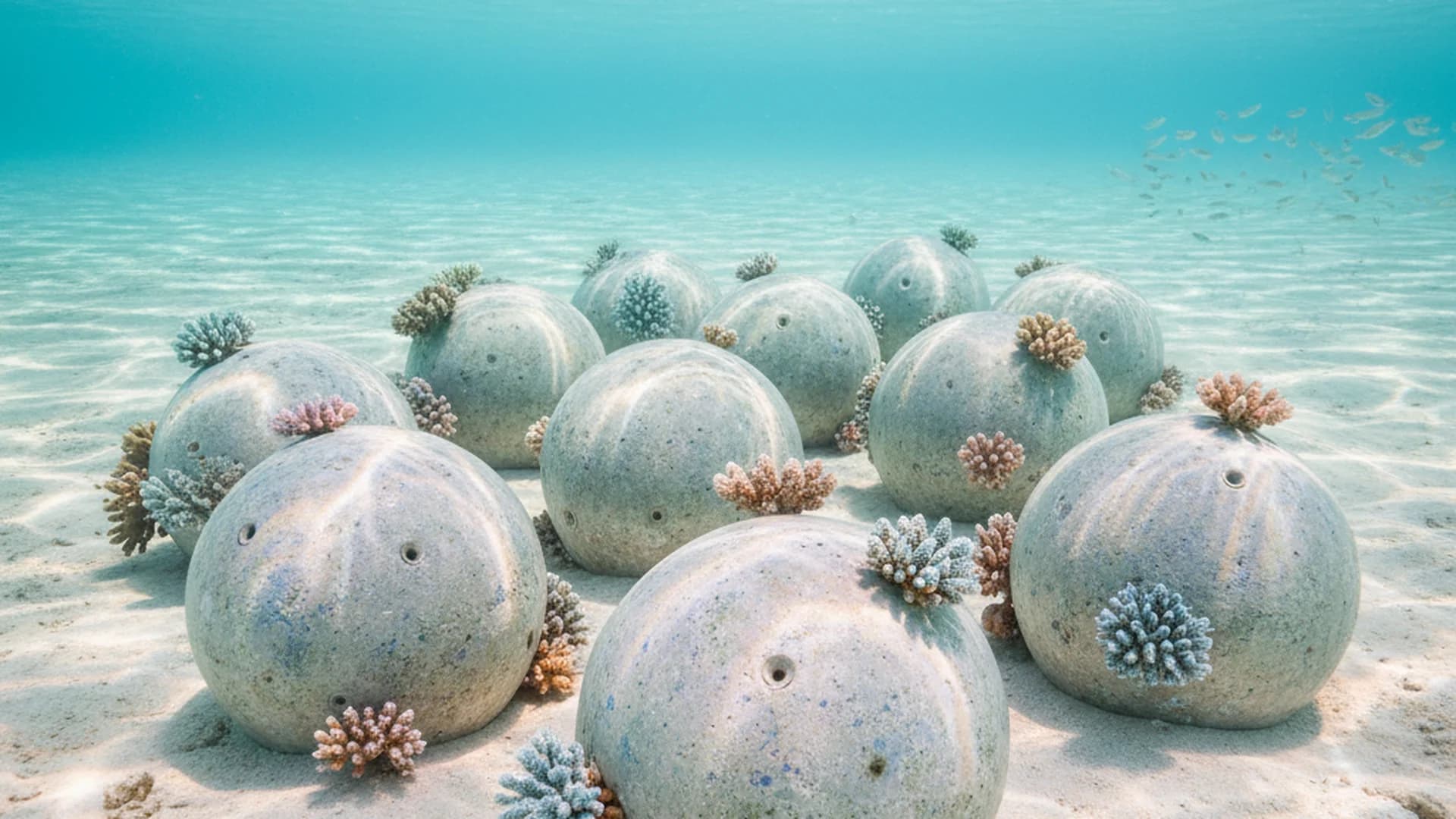
A memorial reef is an artificial reef structure designed to replicate the natural habitat that supports marine life. While traditional cremation often ends with scattering or an urn on a mantle, this option integrates cremated remains into a specialized, pH-neutral concrete "reef ball." These balls are then strategically placed on the ocean floor in permitted areas to restore damaged reef systems.
As of early 2025, over 4,000 of these reefs have been placed across more than 30 locations in the United States, primarily off the coasts of Florida, Texas, and the Mid-Atlantic states. This growing trend mirrors the rise in the US cremation rate, which is projected to reach 63.4% by 2025.
The Process: From Ashes to Ecosystem
The journey of turning ashes into reef balls is a multi-step process that often involves the family in a deeply therapeutic way.
1. The Casting
The process begins with "The Casting." Families are invited to participate in mixing the cremated remains into the wet concrete. This is a hands-on experience where loved ones can place handprints, sea glass, or small mementos into the reef ball before it sets. For many, this offers more psychological closure than a standard graveside service.
2. The Curing Period
Once the reef ball is cast, it must cure for at least 30 days. This ensures the concrete is strong enough to withstand ocean currents and pressure. During this time, the structure is monitored to ensure the pH levels remain neutral, which is necessary for attracting coral and sponges.
3. The Placement and Dedication
After curing, the reef ball is transported to a designated site. These sites are carefully chosen by the U.S. Army Corps of Engineers and state agencies to ensure they are placed on "bare sediment" or "hard bottom" areas where they won't damage existing reefs, but will instead create a brand-new habitat.
Environmental Benefits of Reef Balls
Unlike traditional burials, which often involve embalming fluids and non-biodegradable materials, a memorial reef is a net positive for the environment.
- Habitat Restoration: A single reef ball can support over 50 different species of marine life within just a few months.
- pH-Neutrality: High-quality providers use specialized concrete. Traditional concrete can be too alkaline, which may inhibit the growth of certain marine organisms.
- Sustainability: While concrete production has a carbon footprint, marine biologists argue that the biomass created by the new reef outweighs the initial carbon cost over its lifetime.
What matters: Within a year, most reef balls are completely covered in coral, sponges, and anemones, becoming indistinguishable from a natural reef.
Sizes, Costs, and Options
There are several sizes of reef balls available, depending on the provider and the family's needs.
| Reef Size | Dimensions | Weight | Typical Cost |
|---|---|---|---|
| Aquarius (Small) | 2ft H x 3ft W | 600–800 lbs | $3,000 - $4,000 |
| Nautilus (Medium) | 3ft H x 4ft W | 1,500–2,000 lbs | $5,000 - $7,000 |
| Mariner (Large) | 4ft H x 6ft W | Up to 4,000 lbs | $7,500 - $9,000 |
The Mariner size is particularly popular because it can accommodate up to four sets of remains, allowing spouses or entire families to be memorialized together. It is also common for families to include pet ashes with their owner, a request that most providers fulfill at no extra cost.
Recent Trends and Real-World Examples
The memorial reef industry is evolving rapidly, with a projected 7% annual growth rate. Several high-profile initiatives are currently shaping the future of this field.
The "Arlington of the Sea" Initiative
A major focus for 2025–2026 is the development of national veteran-specific memorial reefs. Modeled after national cemeteries, these underwater sites are designed specifically to honor Navy and Coast Guard veterans, providing a final resting place that reflects their service on the water.
The Jimmy Buffett "Parrot Head" Reef
In September 2026, a high-profile memorial reef dedicated to the legacy of Jimmy Buffett is scheduled for deployment in Key West. This "lifestyle memorial" highlights the trend of using reef balls to celebrate a person's lifelong passion for the ocean and coastal living.
International Expansion: The Solace Reefs
While the industry began in the U.S., 2025 has seen a surge in "Solace Reefs" and similar startups in the UK, Mexico, and Italy. As land-saving burial alternatives become a priority in Europe, reef balls are emerging as a leading solution for coastal communities.
Common Mistakes to Avoid
When choosing a memorial reef provider, avoid these common pitfalls:
- Thinking you "own" the spot: You do not own the ocean floor. Once the reef ball is deployed, it becomes a public resource and a permanent part of the marine environment.
- Assuming it's the same as scattering: If you want a reef ball, you must plan for the permits and the casting process. You cannot simply drop a concrete block into the ocean yourself; this is illegal and can damage the ecosystem.
- Waiting until the last minute: Because of the 30-day curing period and permitting requirements, this process takes time. For immediate needs, you might consider Aquamation Explained as a faster, yet still eco-friendly, first step.
- Neglecting the GPS coordinates: Ensure your provider gives you a certificate with precise GPS coordinates (longitude and latitude). This is the only way you will be able to return to the site to boat, fish, or dive.
Frequently Asked Questions
Can I visit the reef after it is placed?
Do I have to provide all of the ashes?
Is the reef ball permanent?
Can pets be included?
Is this option available inland?
Conclusion: A Legacy That Breathes
Turning ashes into reef balls is more than a disposal method; it is an act of environmental stewardship. For those who loved the sea, there is perhaps no greater tribute than becoming a permanent part of its restoration. For those pre-planning for yourself or seeking a meaningful way to celebrate a loved one whose ashes are currently at home, the memorial reef offers a way to turn grief into growth.
Takeaway: By choosing a memorial reef, you are contributing to a $350 million industry focused on marine conservation and sustainable legacy.
Explore Your Options
Learn more about alternative burial methods and start your planning today.
View GuideInformational Purposes Only
This article is for informational purposes only and does not constitute legal, medical, or financial advice. Laws, costs, and requirements vary by location and individual circumstances. Always consult with qualified legal, medical, or financial professionals for advice specific to your situation.
Written by End of Life Tools Editorial Team
Editorial Team
Our editorial team researches end-of-life planning topics using government and industry sources to provide accurate, clearly sourced guidance for families.
View full profile →